Can You Get a Mortgage with a 650 Credit Score?

The dream of homeownership is often shadowed by a three-digit number: your credit score. If you’ve recently checked yours and saw a 650, you might be feeling like you’re stuck in “financial purgatory.” It’s not “bad” per se, but it isn’t the “780+ Excellent” score that gets you the red-carpet treatment at the bank.
So, the big question: Can you get a mortgage with a 650 credit score?
The short answer is yes. In fact, in 2026, a 650 is actually a very workable score. While it may not land you the rock-bottom interest rates reserved for the credit elite, it opens several doors to government-backed and even some conventional loan programs.
In this comprehensive guide, we’ll break down exactly what a 650 means for your mortgage prospects, the types of loans available to you, and how to navigate the housing market to get the best deal possible.
Understanding the 650 Credit Score in 2026
In the eyes of most lenders, a 650 credit score falls into the “Fair” or “Near Prime” category.
According to recent FICO data, the national average credit score has declines to 714, meaning a 650 is slightly below the median.
Lenders view this score as a sign that you are a “moderate risk.” You likely have a decent credit history, but perhaps you’ve had a few late payments in the past, or your credit utilization (the amount of debt you use versus your limits) is a bit high.
The Good News: A 650 is well above the absolute minimums for several major mortgage programs.
The Catch: You will likely pay more in interest and insurance than someone with a 750.
Mortgage Options for a 650 Credit Score
When you apply for a home loan with a 650 credit score, you aren’t limited to just one path. Here are the primary loan types you’ll encounter:
FHA Loans (The Most Popular Choice)
The Federal Housing Administration (FHA) backs these loans, making them the “go-to” for many buyers with fair credit.
- Minimum Score Required: 580 (for a 3.5% down payment).
- Why it works for a 650: Since you are 70 points above the minimum, you are a strong candidate for an FHA loan. You’ll benefit from the low down payment requirement and more flexible debt-to-income (DTI) ratios.
Conventional Loans (Fannie Mae & Freddie Mac)
Conventional loans are not backed by the government. They are typically stricter than FHA loans, but they are still attainable.
- Minimum Score Required: Usually 620.
- The 650 Reality: At 650, you meet the baseline. However, conventional lenders may charge “Loan Level Price Adjustments” (LLPAs). This means they might bump up your interest rate or require higher Private Mortgage Insurance (PMI) premiums compared to a high-score borrower.
VA Loans (For Veterans and Service Members)

If you are an active-duty service member, a veteran, or an eligible surviving spouse, VA loans are arguably the best mortgage product on the market.
- Minimum Score Required: The VA itself doesn’t set a minimum score, but most lenders look for a 620.
- The Benefit: At 650, you easily qualify. VA loans offer a $0 down payment and no monthly mortgage insurance, saving you hundreds of dollars every month.
USDA Loans (For Rural and Suburban Buyers)
The U.S. Department of Agriculture offers 100% financing (no down payment) for homes in designated rural and suburban areas.
- Minimum Score Required: Most lenders prefer a 640 for automated approval.
- The 650 Reality: You are right in the “sweet spot” for a USDA loan. As long as your income meets the regional limits and the home is in an eligible area, this is a fantastic zero-down option.
The True Cost of a 650 Credit Score: Interest Rates
While you can get a mortgage, it’s important to understand the financial trade-off. Credit scores directly impact your interest rate.
Let’s look at a hypothetical scenario in the 2026 market for a $400,000 mortgage:
| Credit Score | Estimated Interest Rate | Monthly Payment (P&I) | Total Interest (30 Years) |
| 760 – 850 | 5.5% | $2,271 | $417,611 |
| 650 – 659 | 6.7% | $2,581 | $529,180 |
| Difference | +1.2% | +$310/month | +$111,569 |
Over the life of the loan, a 650 score could cost you over $111,000 more in interest than a top-tier score. This is why many financial advisors suggest boosting your score even by 20–30 points before hitting “submit” on an application.
Improve your credit score with Credit Sidekick, a smart AI-powered credit assistant that helps you improve, monitor, and boost your credit score with ease.
3 Strategies to Secure Mortgage Approval with a 650 Credit Score
If you’re ready to buy now and don’t want to wait to build your score, use these strategies to make your application more attractive to lenders:
1. Lower Your Debt-to-Income (DTI) Ratio
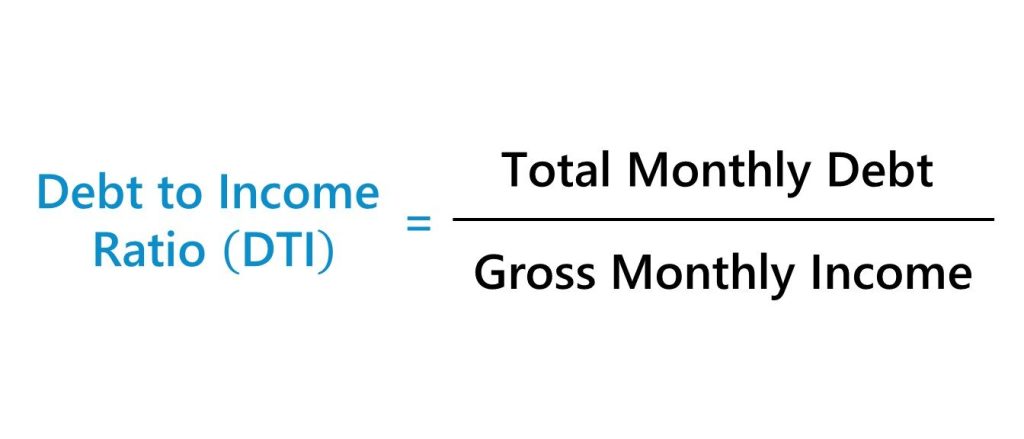
Lenders look at two main things: your credit score and your ability to pay. If your credit score is lower, you can balance the scales by having very little debt. Aim for a DTI below 36% if possible, though FHA loans sometimes allow up to 43-50%.
2. Offer a Larger Down Payment

Even if a loan only requires 3.5% down, putting down 10% or 20% significantly reduces the lender’s risk. This can sometimes help you “negotiate” a better interest rate or get an approval that might otherwise be borderline.
3. Have “Cash Reserves”

Lenders love to see that you have “skin in the game” and a safety net. If you have 3–6 months of mortgage payments sitting in a savings account after your down payment and closing costs are paid, you are viewed as a much safer bet.
How to Boost Your Credit Score Quickly Before Applying for a Mortgage?
If you have a few months before you plan to buy, you can likely move your score from a 650 to a 680 or even a 700. In the mortgage world, 680 is often the “magic number” where interest rates start to drop significantly.
- The “30% Rule”: Pay down your credit card balances until you are using less than 30% of your limit. If you have a $1,000 limit, keep the balance under $300. This is the fastest way to see a jump in your score.
- The Electoral Roll & Data Accuracy: Ensure your address is consistent across all accounts. In some regions, being registered to vote at your current address can provide a small but helpful boost.
- Avoid New Credit: Don’t open a new car loan or a retail credit card right before applying for a mortgage. Every “hard inquiry” can shave a few points off your score.
- Check for Errors: Roughly 1 in 5 credit reports contains an error. Disputing a late payment that wasn’t actually late can skyrocket your score in 30 days.
Is Now the Right Time to Buy a House?
In 2026, the housing market is experiencing a “Great Housing Reset.” With a 650 credit score, you are eligible to enter the arena, but you should do so with eyes wide open.
Buy now if:
- You found a “forever home” or a great deal that outweighs the higher interest cost.
- You plan to refinance in 2–3 years once your credit score has improved.
- You are eligible for a VA or USDA loan with no down payment.
Wait if:
- You are only 10–20 points away from a 680 (which could save you thousands).
- Your DTI is currently very high, and you are struggling to save for a down payment.
Leave a Reply